
Maintaining your cognitive and physical vitality
The fundamentals of physical senior health
Maintaining physical health is a cornerstone of healthy aging, focusing on geriatric care to address physiological changes. This involves regular medical check-ups to monitor vital signs. Nutrition plays a critical role, with balanced diets designed to support bone density and cardiovascular function. Physical activity, adapted to capabilities, is essential for maintaining motor skills, balance, and overall strength, contributing to a higher quality of life.
Managing chronic conditions like arthritis or diabetes is key in geriatric medicine. This requires coordination between patients and personal support workers to monitor symptoms and manage prescriptions effectively. Fall prevention involves accessible housing evaluations, strength exercises, and reviewing pharmaceuticals causing dizziness. The goal is creating a safe environment that minimizes health risks and supports autonomous continued independence.
Long-term chronic condition management
Coordinated nursing plans for ongoing health issues.
Preventive senior health measures
Medical screenings and lifestyle adjustments reducing risk.



Health workshops
Supporting cognitive mental acuity
Enhancing senior cognitive wellness
Neuroplasticity and health exercises
Activities such as puzzles and cognitive training are utilized to stimulate neural pathways. These brain fitness workouts help maintain functions like memory recall and problem-solving.
The role of community engagement
Consistent interaction through senior centers and social events helps reduce social isolation. This engagement is linked to better cognitive resilience and emotional well-being.
Memory retention support techniques
Tools like digital calendars and structured routines are implemented to assist with daily tasks. These strategies provide external support for memory, reducing cognitive load and fostering patient confidence.
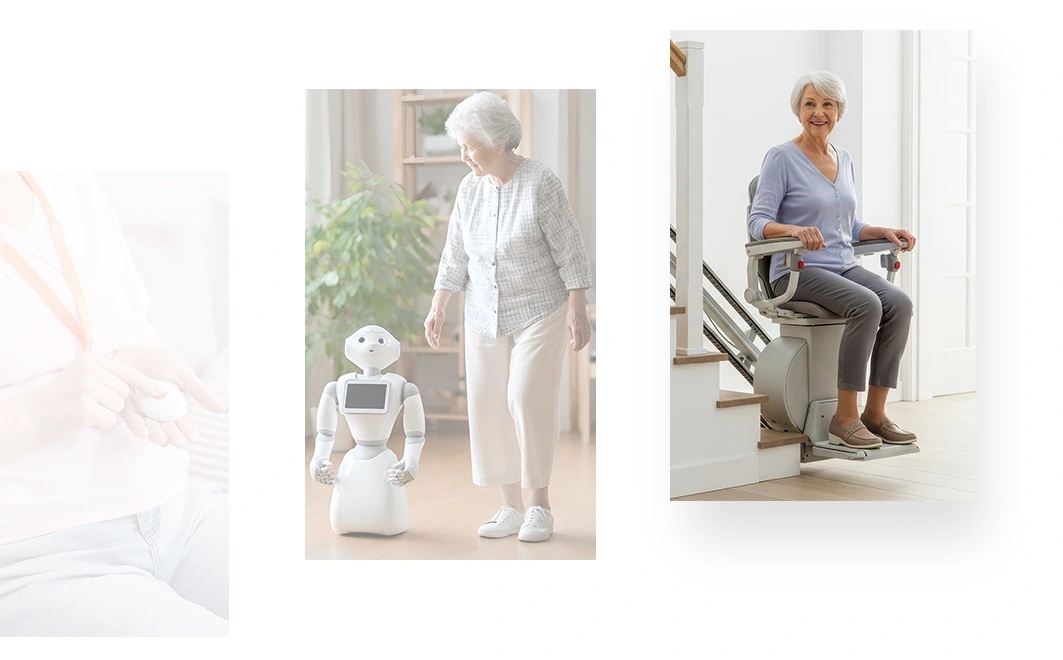
Technical aids for daily living
The integration of tech for seniors and autonomy
Technological advancements enable seniors to age in place safely. Tools range from mechanical aids to assistive technology designed to monitor well-being. Devices like stairlifts help individuals navigate accessible housing, while smart home automation controls lighting. The objective is enhancing functional ability and providing caregiver peace of mind.
Senior monitoring devices offer direct assistance lines during falls. In parallel, wearable sensors track activity patterns, sending alerts if health anomalies are detected. These technologies supplement personal support workers, providing security layers that support independent living goals. Proper selection relies on specific needs and the residential context.

Compare coverage plans
Moving around securely
Practical mobility aids to maintain autonomy
Ergonomic walking stick
Provides additional support improving balance and reducing fatigue during displacement.
Rollator and walker
Provides stability, often equipped with brakes, a seat, and storage for daily comfort.
Installing accessible housing like a walk-in shower
Ensures safe access, essential for aging in place and barrier-free living.
Renovating doorways and hallways
Facilitates passage for mobility aids and improves circulation throughout the residence.